Lake Vermilion Live Cam
Private island on lake Vermilion in northern Minnesota
What You're Watching
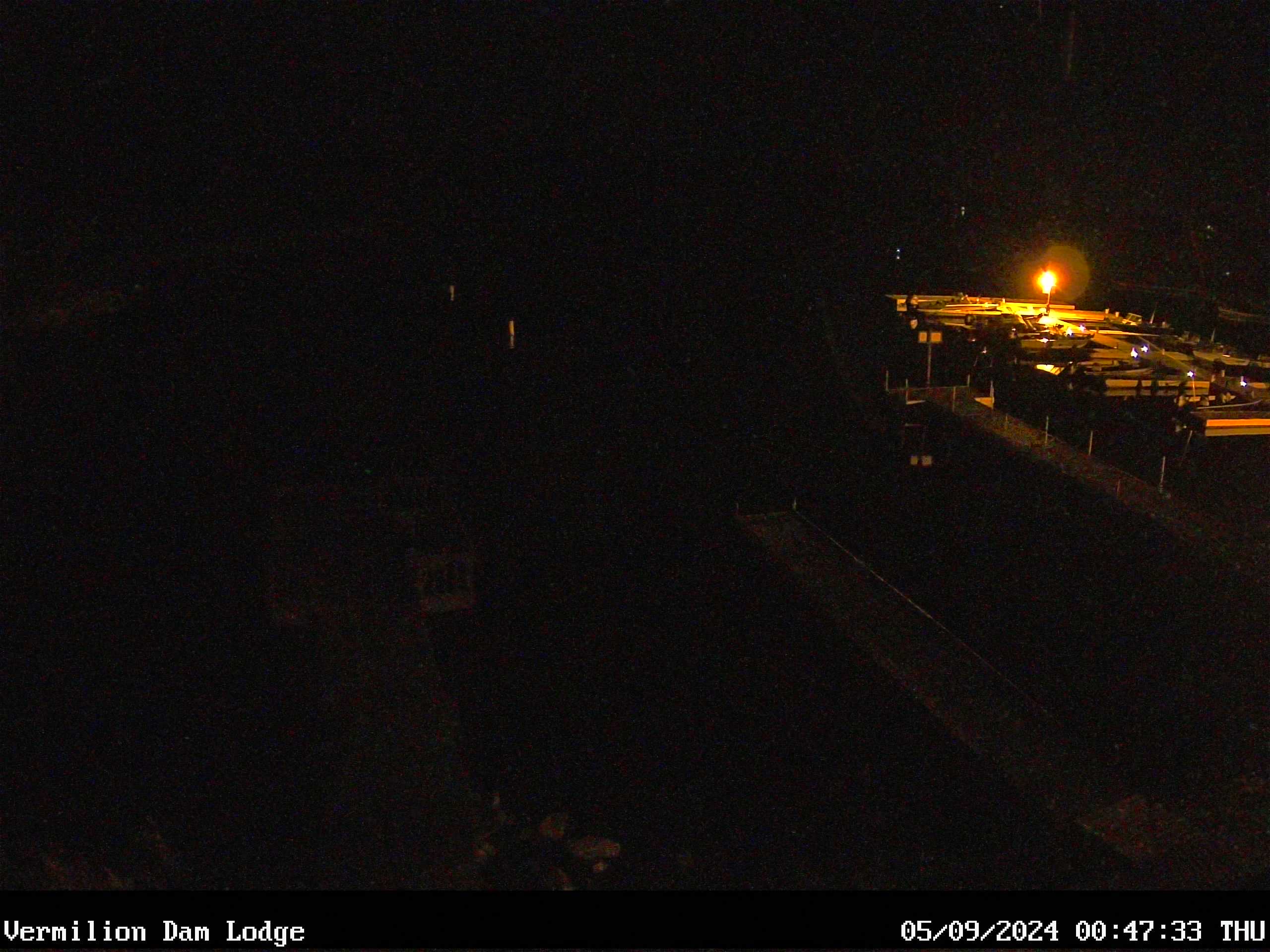
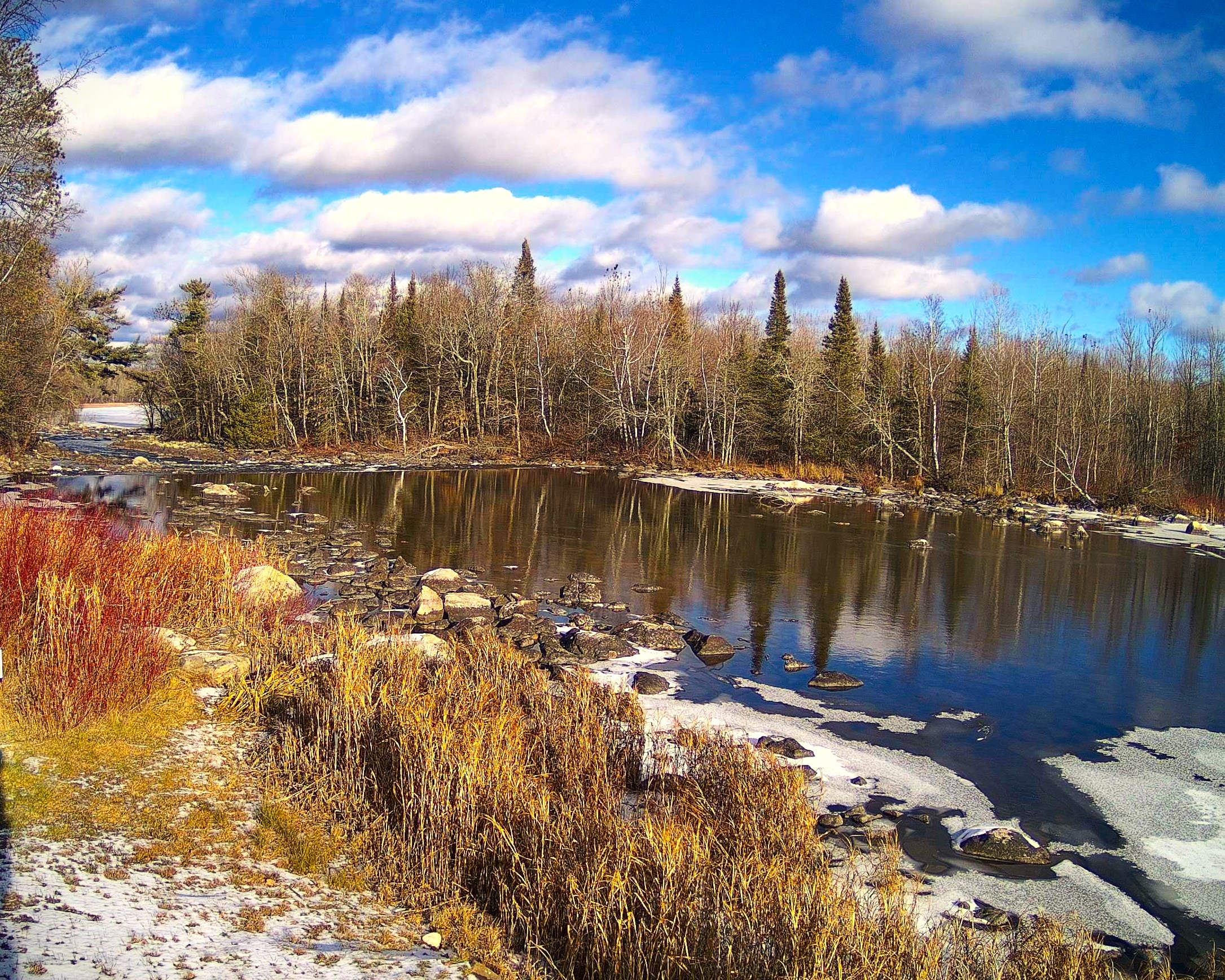
This camera provides a live view of Lake Vermilion. History Lake Vermilion is a large freshwater lake located in northeastern Minnesota, United States. It has a rich history that spans thousands of years, shaped by various indigenous cultures and later European settlers. Here is an overview of Lake Vermilion's history: Indigenous Peoples: The region around Lake Vermilion has been inhabited for thousands of years by various indigenous peoples,.
Best Times to Watch
| Time / Period | What to expect |
|---|---|
| Early mornings 6–9am local | Quietest — best light on water; surfers and fishermen active |
| Midday (11am–2pm) in season | Peak beach activity; clearest water visibility in sunlight |
| Sunset | Golden light — often most visually dramatic period |
| Storm / approaching weather | Check wave size and conditions before visiting |
Quick Facts
- 📍 Location: Lake Vermilion, USA
- 🕐 Timezone: BRT (UTC-3)
- 🌐 Stream: Live 24 hours a day, 7 days a week
- 📡 Page: https://www.iplivecams.com/live-cams/ludlows-island-resort-cook-minnesota-united-states/
History & Context
History Lake Vermilion is a large freshwater lake located in northeastern Minnesota, United States. It has a rich history that spans thousands of years, shaped by various indigenous cultures and later European settlers. Here is an overview of Lake Vermilion's history: Indigenous Peoples: The region around Lake Vermilion has been inhabited for thousands of years by various indigenous peoples, including the Dakota Sioux and the Ojibwe (also known as Chippewa). These Native American tribes relied on the lake and its surrounding forests for sustenance, trade, and spiritual significance. Fur Trade Era: In the late 17th and early 18th centuries, European explorers and fur traders, primarily French and British, began to explore the area. The fur trade was a significant industry, and Lake Vermilion's forests were rich in beaver and other valuable fur-bearing animals. European Settlement: The late 19th century saw the arrival of European settlers in the Lake Vermilion area. Logging became a major industry, with timber being floated down the Vermilion River to sawmills. The town of Tower, located on the eastern shore of Lake Vermilion, became a hub for the logging industry. Tourism and Resorts: By the late 19th and early 20th centuries, the natural beauty of Lake Vermilion and its surrounding wilderness began to draw tourists and outdoor enthusiasts. Resorts, lodges, and cabins started to pop up along the shoreline, offering visitors a chance to experience the area's natural splendor. Mining: In the early 20th century, mining became another major industry in the Lake Vermilion area. The Soudan Underground Mine, located near the lake, was one of the most productive iron mines in Minnesota. This industry played a significant role in the local economy for several decades.
Nearby Cameras
- Search for more cameras from this region using the live cam directory
- Browse by country at the countries index
- Browse US cameras by state at U.S. Webcams
