Milan Cathedral Live Cam
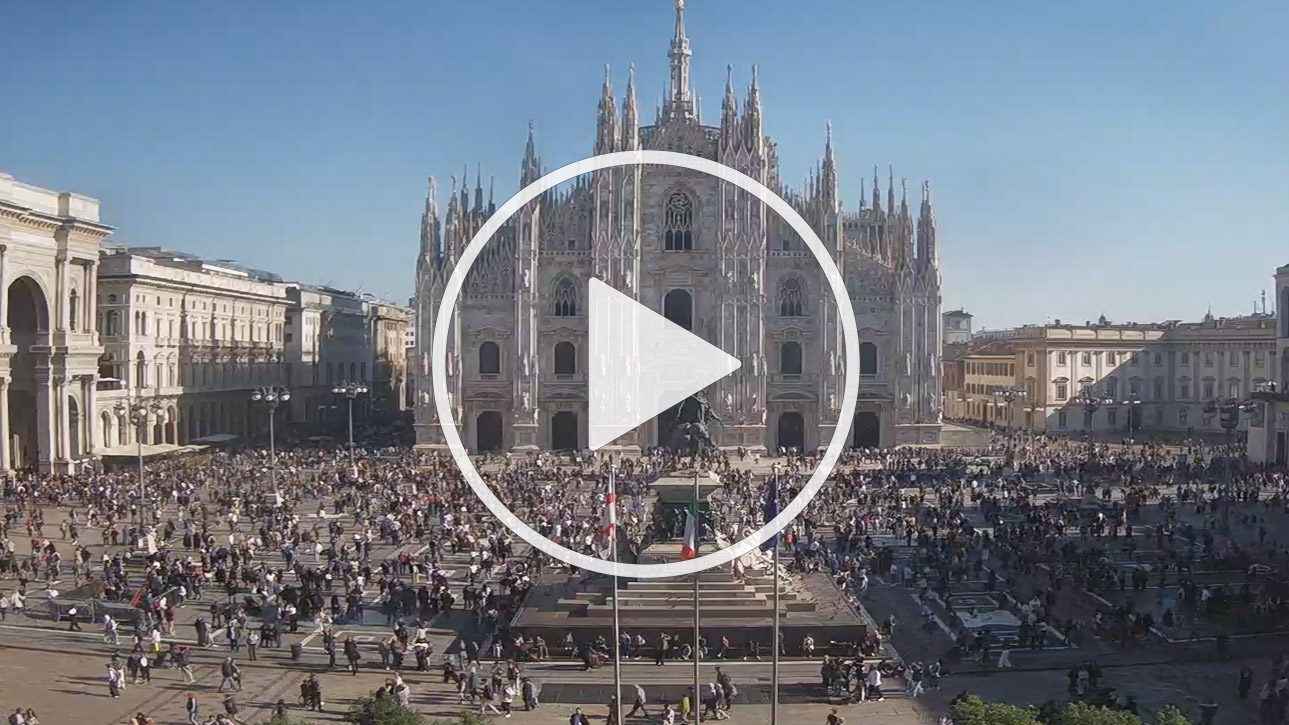
View of the Galleriam, the Duomo of Milan and the equestrian statue of Vittorio Emanuele II
What You're Watching
This camera provides a live view of Milan Cathedral. The Historical Evolution of the Milan Cathedral: Italy's Gothic Masterpiece The Milan Cathedral, known in Italian as the Duomo di Milano , stands as one of the largest and most impressive Gothic cathedrals in the world. Construction began in 1386 under the rule of Gian Galeazzo Visconti, the first Duke of Milan, and it took nearly six centuries to complete. This ambitious project, initially env.
Best Times to Watch
| Time / Period | What to expect |
|---|---|
| Morning 7–10am local | Calm water; boat traffic starting the day |
| Weekends | Maximum recreational boat and marina activity |
| Sunset | Golden light on water surface |
| Storm or weather events | Check conditions before boating or fishing |
Quick Facts
- 📍 Location: Milan Cathedral, Italy
- 🕐 Timezone: CET (UTC+1) / CEST (UTC+2) in summer
- 🌐 Stream: Live 24 hours a day, 7 days a week
- 📡 Page: https://www.iplivecams.com/live-cams/milan-cathedral-lombardy-italy/
History & Context
The Historical Evolution of the Milan Cathedral: Italy's Gothic Masterpiece The Milan Cathedral, known in Italian as the Duomo di Milano , stands as one of the largest and most impressive Gothic cathedrals in the world. Construction began in 1386 under the rule of Gian Galeazzo Visconti, the first Duke of Milan, and it took nearly six centuries to complete. This ambitious project, initially envisioned as a symbol of Milanese power and religious devotion, became a labor of generations, involving countless architects, sculptors, and artisans. Each contributed their unique touch to the Duomo, making it a masterpiece of both Italian and European Gothic architecture.
The cathedral’s architectural design reflects a blend of French Gothic, Italian Renaissance, and later, neo-Gothic styles. The choice to use Candoglia marble, sourced from quarries near Lake Maggiore, adds a distinctive pinkish hue that gives the Duomo its signature appearance. Over time, the Milan Cathedral evolved to incorporate elements from different artistic movements, making it a showcase of historical architectural trends.
Nearby Cameras
- Search for more cameras from this region using the live cam directory
- Browse by country at the countries index
- Browse US cameras by state at U.S. Webcams
