Port of Helsinki Live Cam
Serves the business world and well-being of the Helsinki region and the whole country
What You're Watching
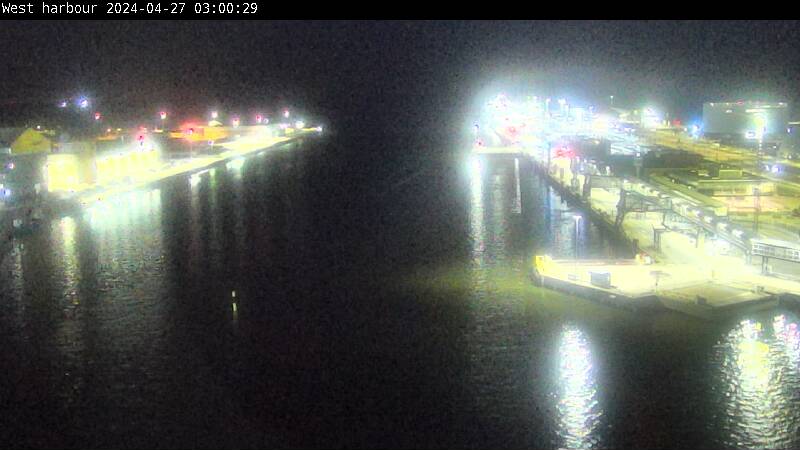
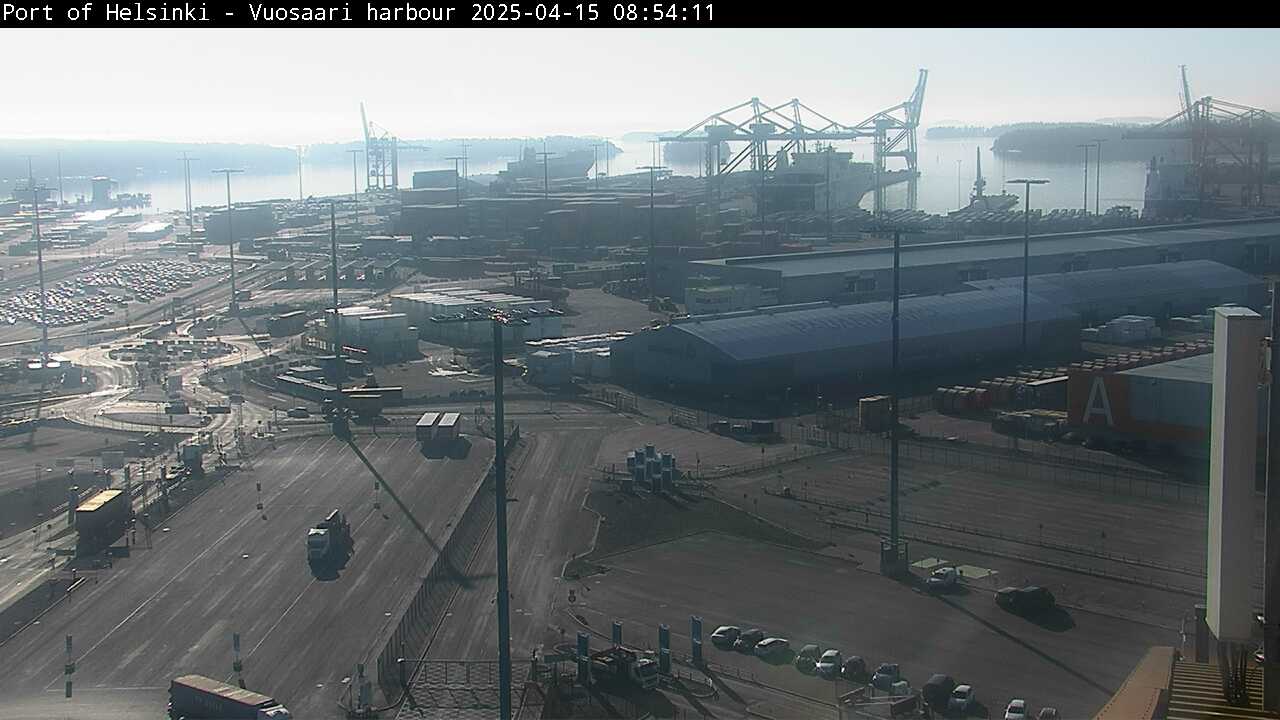
This camera provides a live view of Port of Helsinki. History The Port of Helsinki history stretches back to medieval times, when small wooden piers hosted trading vessels from across the Baltic Sea. In those days, Helsinki was a modest settlement overshadowed by the more prominent trading center of Tallinn directly across the Gulf of Finland. Yet the natural harbor at Vironniemi offered shelter and deep waters, and by the 17th century Helsinki’s p.
Best Times to Watch
| Time / Period | What to expect |
|---|---|
| Early mornings 6–9am local | Quietest — best light on water; surfers and fishermen active |
| Midday (11am–2pm) in season | Peak beach activity; clearest water visibility in sunlight |
| Sunset | Golden light — often most visually dramatic period |
| Storm / approaching weather | Check wave size and conditions before visiting |
Quick Facts
- 📍 Location: Port of Helsinki, Sweden
- 🕐 Timezone: CET (UTC+1) / CEST (UTC+2) in summer
- 🌐 Stream: Live 24 hours a day, 7 days a week
- 📡 Page: https://www.iplivecams.com/live-cams/port-of-helsinki-finland/
History & Context
History The Port of Helsinki history stretches back to medieval times, when small wooden piers hosted trading vessels from across the Baltic Sea. In those days, Helsinki was a modest settlement overshadowed by the more prominent trading center of Tallinn directly across the Gulf of Finland. Yet the natural harbor at Vironniemi offered shelter and deep waters, and by the 17th century Helsinki’s port had become a vital link in Sweden’s maritime network. Sailors offloaded grain, timber, tar, and furs harvested in the Finnish hinterlands, while salted herring, beer, and textiles were shipped north.
By the early 19th century, as Helsinki was elevated to Finland’s capital in 1812, the port took on newfound importance. Grand plans by architect Carl Ludvig Engel reshaped the shoreline—iron warehouses replaced wooden sheds, and piers extended into the bay. The construction of Kauppatori (the Market Square quay) in 1818 marked the birth of Helsinki harbor as a commercial hub. Soon rail lines converged on the port, linking it to inland markets all the way to Saint Petersburg. The Port of Helsinki terminals multiplied, each dedicated to specific cargo types: Tormila docks for timber exports, Katajanokka for passenger ferries, and Sörnäinen’s oil quay by the late 19th century.
Nearby Cameras
- Search for more cameras from this region using the live cam directory
- Browse by country at the countries index
- Browse US cameras by state at U.S. Webcams
