
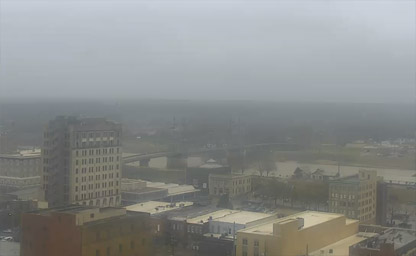
Alexandria
The ninth-largest city in the state of Louisiana
The ninth-largest city in the state of Louisiana
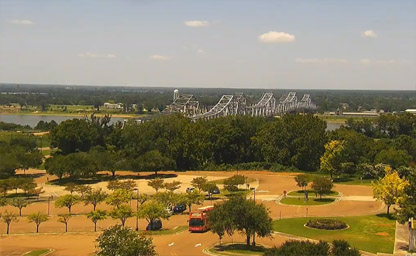
Located btween Natchez, Mississippi and Vidalia, Louisiana
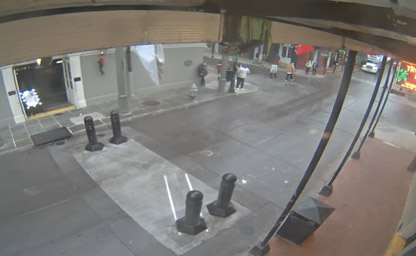
Some of the most exciting blues and New Orleans style musical groups
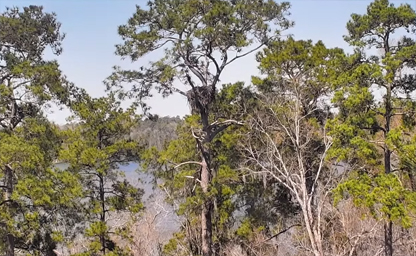
Situated in the forested piney hills and hardwood bottoms of seven central and northern parishes
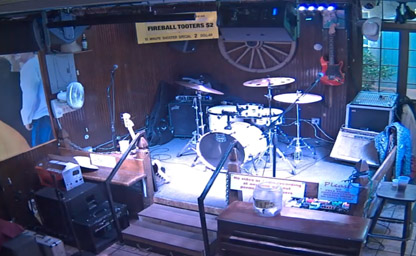
Bourbon Street's premier blues club keeps that New Orleans music tradition alive and movin'
Officially known as U.S. Route 165
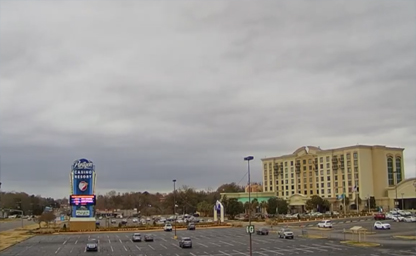
Situated on Highway 1 in Marksville
The parish seat and largest city of Rapides Parish
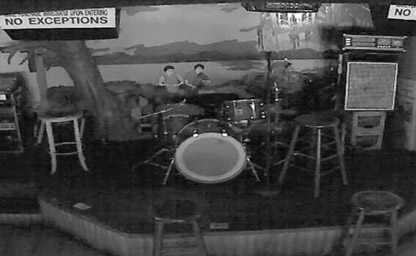
With music provided by Late As Usual, you can expect a party any night of the year
Great entertainment, instant good friends and that mother of all mega-drinks
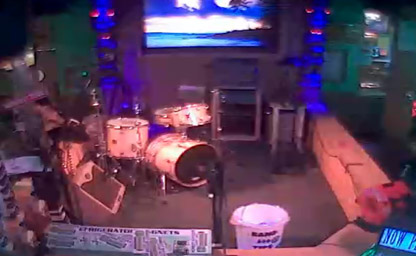
In the heart of the French Quarter

Looking Southeast along I-210 towards
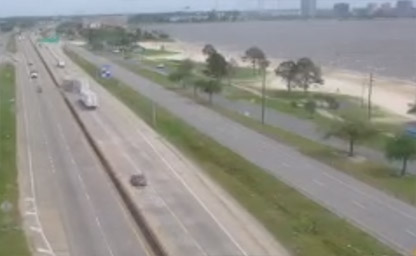
Looking East along I-10 and white-sand beach on Lake Charles
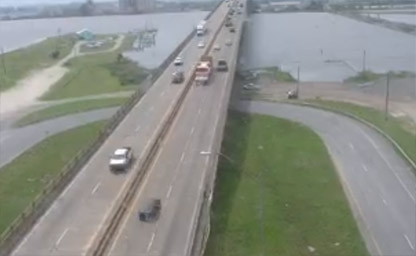
Looking West along I-10 and across the Calcasieu River Bridge
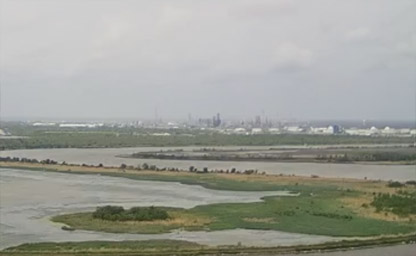
Looking Southwest from the L'Auberge Casino Resort towards
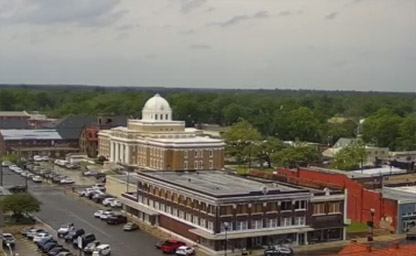
A small portion of the city extends into Vernon Parish
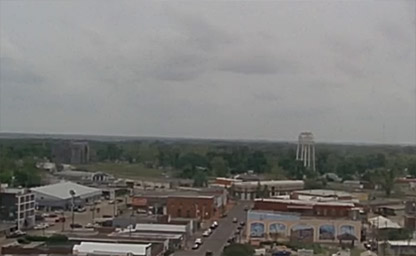
A city in, and the parish seat of beautiful, Jefferson Davis Parish
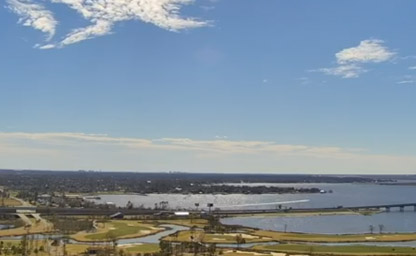
The Port of Lake Charles is an industrial port
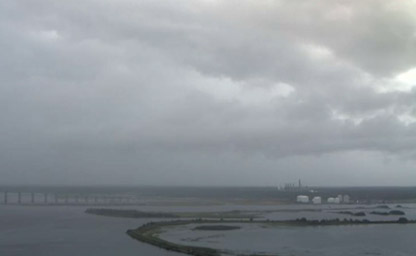
Situated on a level plain about 30 miles from the Gulf of Mexico
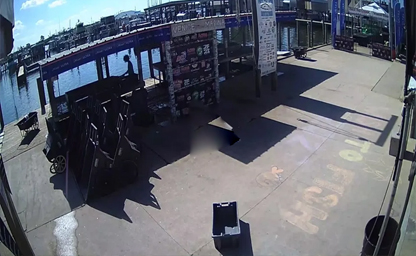
This has earned the town the nickname "The end of the world"
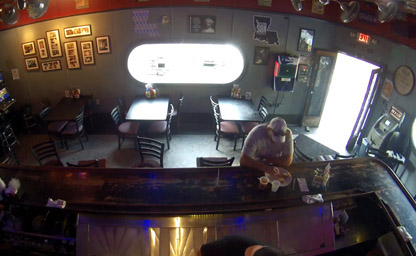
Here's what's happening in the front bar at Buffa's right now
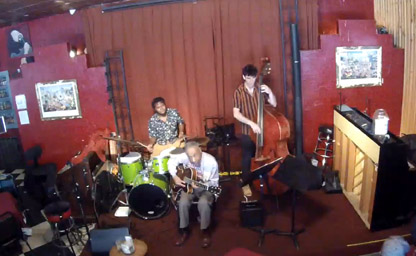
As always, Buffa’s is proud to feature the wonderful “Some Like It Hot” traditional jazz band at our Sunday Brunches
Louisiana's webcams offer some of the most culturally and geographically distinctive views in the United States. New Orleans, one of the world's great cities, has a French Quarter that looks unlike any other American urban landscape — the iron-lace balconies, narrow streets, and Caribbean-influenced architecture of the Vieux Carré are visible in several camera positions. The Mississippi River at New Orleans is one of the world's busiest commercial waterways, and the river cams here show the enormous barge traffic and oceangoing vessels navigating the lower river.
Louisiana is losing land faster than any other US state — approximately 25 square miles per year — due to a combination of Mississippi River levee management that prevents the sediment deposition that built the delta, sea-level rise, and subsidence. The coastal webcams here document a landscape in transition, where wetlands that served as storm surge buffers for New Orleans are shrinking rapidly. The Gulf of Mexico offshore platforms visible from Louisiana's coast represent the heart of US offshore oil and gas production, and their presence in webcam frames is a visual reminder of the energy infrastructure that defines the state's economy.

Live cameras are not just a technological marvel; they are a bridge that connects the university to alumni, prospective students, parents, and curious viewers worldwide. By offering a live feed, LSU creates an inclusive and transparent atmosphere that showcases its vibrant campus and diverse activities.
For alumni who long to revisit the campus where they built cherished memories, live cameras provide an emotional connection. Families of current students can also gain peace of mind by catching a glimpse of the surroundings where their loved ones study and grow.
LSU’s campus is a blend of historic charm and natural beauty, featuring stunning oak trees, Gothic-style architecture, and the iconic LSU Lakes. Live cameras highlight these elements, offering a picturesque view that entices prospective students and visitors to experience the campus firsthand.
LSU has strategically placed its live cameras to capture some of the most beloved and dynamic spots on campus. Here are a few notable locations:
Perhaps the most famous live camera feed is from the habitat of Mike the Tiger, LSU’s live Bengal tiger mascot. Fans and animal lovers worldwide can tune in to watch Mike relax, play, and interact with his environment.
The Parade Ground is a central hub of activity at LSU, hosting student gatherings, events, and leisurely afternoons. The live camera here captures the essence of student life and the dynamic energy of the campus.
Known as “Death Valley,” Tiger Stadium is home to LSU’s legendary football team. A live feed from this location gives fans a glimpse of the stadium, whether it’s game day or an off-season moment of serenity.
Beyond entertainment and engagement, LSU’s live cameras have a significant educational value. They serve as tools for research, campus planning, and security, offering insights into the campus environment in real time.
Live cameras provide a valuable resource for tracking weather patterns in the Baton Rouge area. This is particularly important in a state like Louisiana, where storms and hurricanes can significantly impact daily life.
Accessing LSU’s live cameras is easy and user-friendly. Simply visit the university’s official website or search for specific live camera feeds. The streams are accessible 24/7, offering a constant connection to the heart of LSU.
Louisiana State University’s live cameras are more than just a window into the campus—they are a symbol of connection, transparency, and pride. Whether you are an alumnus reliving your glory days, a prospective student exploring your future, or a curious viewer admiring the beauty of LSU, these live feeds offer something for everyone. Tune in and experience the magic of LSU in real time!
